Loading...
Mikio Naruse 100th Birth Anniversary
Documentary
2005•32m
Ratings
Overview
Because his style was similar to that of Yasujiro Ozu, who was already active at Shochiku, he moved to PCL (currently Toho) in 1933, where he appeared in the talkie works "My Wife, Like a Rose" and "Tsuruhachi Tsurujiro." It got attention. There were times when he was unable to make as many films as he wanted due to wartime film regulations and post-war Toho disputes, but in 1951 he revived his career with Meshi. Since then, he has released masterpieces one after another, including "Okaasan," "Lightning," "The Couple," "Wife," "Anii Mouto," "Sounds of the Mountain," and "Bangiku." The pinnacle of his work, "Floating Clouds," is Kenji Mizoguchi's "Wife." Even director Ozu was impressed, calling it a masterpiece of Japanese cinema, on par with "The Sisters of Gion." He depicted ordinary people in everyday life with an everyday realism that was not influenced by lyricism, and he consistently sought out women as his subjects.
Cast
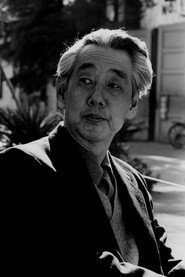
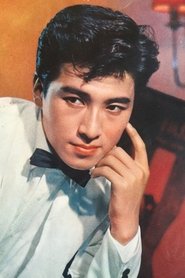
Photos
You may also like
7.6 (190)
The Kingdom of Dreams and Madness
7.7 (84)
As I Was Moving Ahead, Occasionally I Saw Brief Glimpses of Beauty

7.2 (252)
Hitchcock/Truffaut
7.5 (60)
Never-Ending Man: Hayao Miyazaki
7.2 (77)
To Be Takei

6.5 (54)
Heart of a Dog
7.1 (50)
Mifune: The Last Samurai
7.1 (146)
They'll Love Me When I'm Dead
7.1 (209)
Deliver Us from Evil

7.2 (42)
In the Realms of the Unreal

7.1 (112)
The Class of ‘92
6.5 (64)
Finders Keepers
Similar titles
7.3 (22)
I Am Alfred Hitchcock
Japanscope, panorama de la nouvelle Nouvelle Vague

10.0 (1)
On the Trail of Ed Wood
7.0 (1)
Yakuza Eiga, une histoire du cinéma yakuza
David Lean: A Self Portrait
6.8 (5)
Elia Kazan: An Outsider
7.3 (215)
My Best Fiend
8.0 (1)
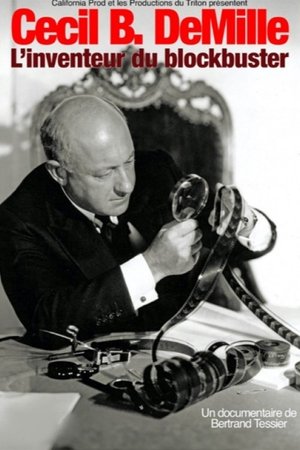
Cecil B. DeMille, l'inventeur du blockbuster
6.7 (3)
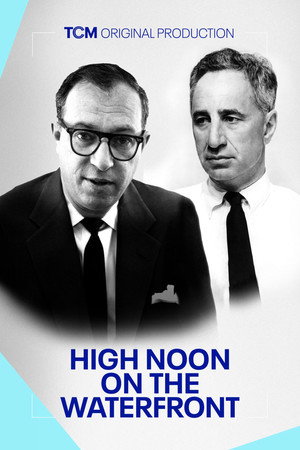
High Noon on the Waterfront
7.2 (183)
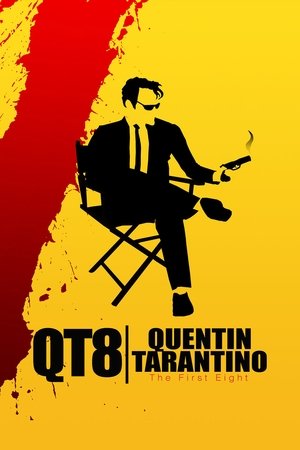
QT8: The First Eight
7.9 (14)
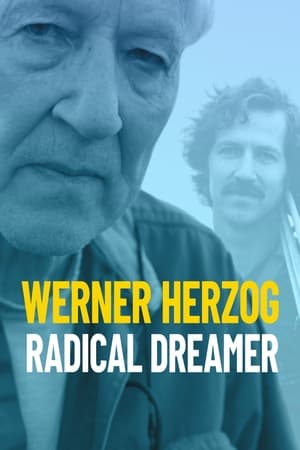
Werner Herzog: Radical Dreamer
5.5 (12)
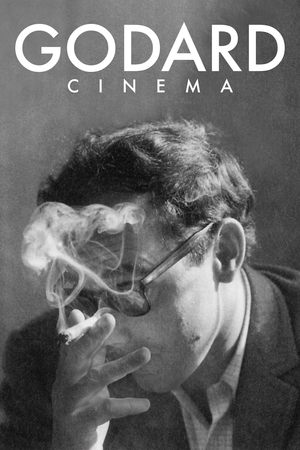
Godard Cinema